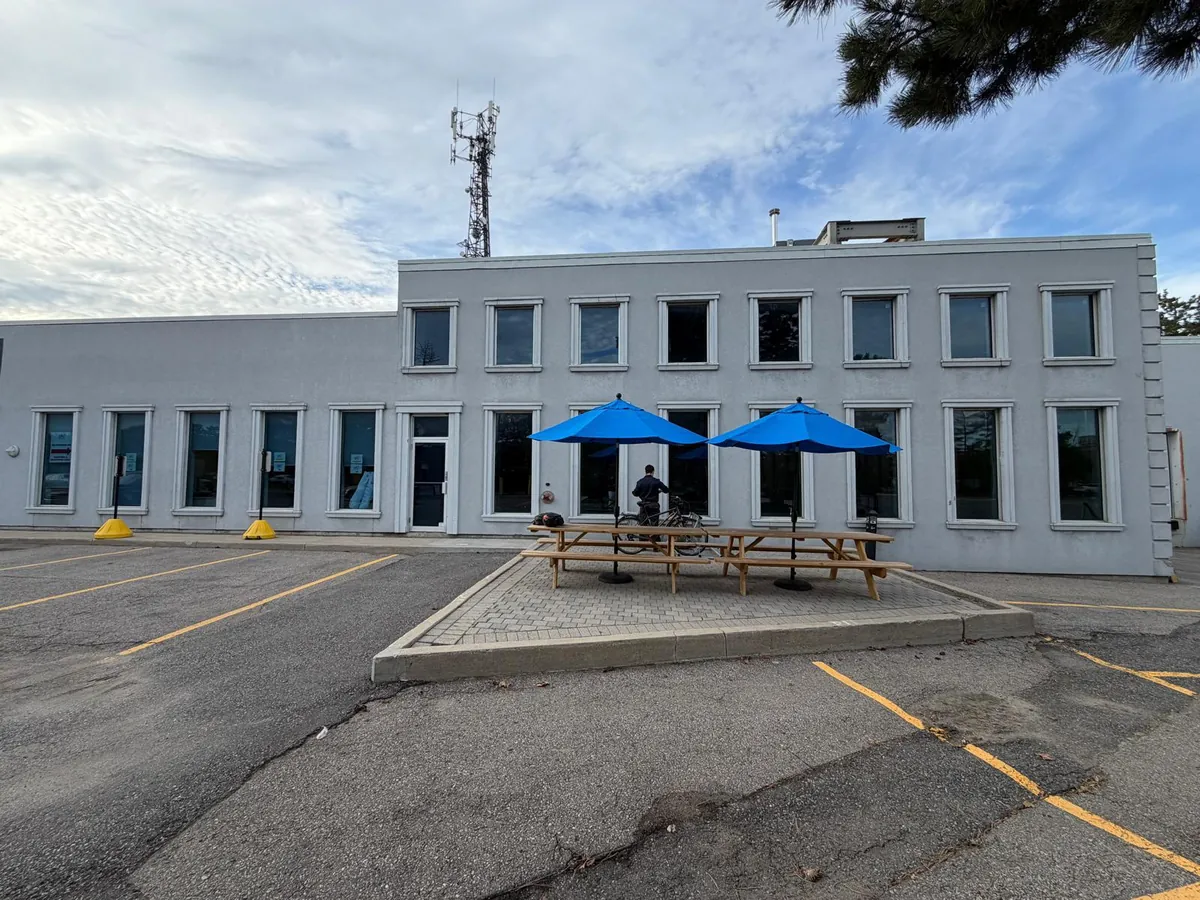
What chalking actually is
Exterior paint is pigment (the colour) held together and stuck to the wall by a binder. Years of UV and weather slowly break the binder down at the surface. As it goes, the pigment is no longer held in place and sits on the face of the wall as a loose powder. That powder is chalk, and it is why an old wall looks faded, flat and dusty even when it is clean.
Some coatings are designed to chalk slowly so the surface self-cleans in the rain, so a small amount is not a defect. What matters is how much, and what you are about to put on top of it.
The rub test
Wipe a clean dark cloth, or your palm, firmly across the wall in a few places: the sunniest elevation, a shaded one, and near the ground. Light colour on the cloth means light chalking. A heavy coat of powder, or the colour coming off easily, means the surface coat is breaking down, and new paint will not bond to it without proper preparation. Also try a strip of masking tape pressed firmly and pulled off quickly. If it comes away covered in powder or flakes of paint, the surface is not sound.
Chalking, fading and what else to look for
Normal ageing
- Light chalk on the cloth, mainly on the sunniest elevation
- Even fading across a wall that is otherwise sound
- Paint still firmly stuck when you run the tape test
Time to plan a proper repaint
- Heavy powder on the cloth or the tape
- Streaks of chalk running down onto brick, windows, or the paving below
- Blotchy fading, often worst on one elevation
- Peeling, flaking or bare patches alongside the chalking
- Cracked stucco, open joints or failed caulking under the tired finish
If the fading is much worse on one side, see why paint fails on one side first. The last point matters most. A faded building often has more going on than faded paint. By the time a coating has chalked through, the stucco, sealant joints and window caulking under it have usually been out in the same weather for just as long.
Why painting over chalk fails
- New paint bonds to the powder, not the wall. A layer of loose chalk between the old coating and the new one acts like dust on a surface. The new paint looks fine for a season, then lets go in sheets. This is one of the commonest causes of an exterior repaint peeling early.
- Paint does not repair anything. A fresh coat over cracked stucco, open joints and failed caulking hides the problem for a season. Then water gets in through the same gaps and the new finish blisters, stains and peels.
- One coat is not enough. A single coat, especially on a colour change, gives thin, uneven coverage and less film for the weather to wear through. Two full coats are the standard for an exterior repaint that is meant to last.
What a proper exterior repaint looks like
01Protect the site
Ground, paving, windows, doors and anything that is not being painted gets covered and masked before work starts. On a commercial building that includes dock doors, entrances and the routes tenants and visitors use.
02Wash the chalk off and let it dry
The chalk layer is washed off and the wall is left to dry thoroughly. Washing stucco and masonry needs care so water is not forced into cracks and joints.
03Repair before you paint
Cracked and damaged stucco, brick and parging repaired; old, unused penetrations removed and patched; failed joint sealants and window caulking cut out and redone.
04Prime where the surface needs it
If the rub test still shows chalk after washing, or the surface is patched or porous, a suitable primer goes on first so the finish coats bond to something sound.
05Two full finish coats, then the details
Two coats across every elevation, plus the metal details that finish a building: railings, doors, frames, flashings and roof metals.
On a commercial building
A faded exterior is the first thing tenants, customers and visitors see, and on a commercial property the repaint usually has to happen with the building open. That turns it into a sequencing job: each elevation protected and finished in turn, entrances and loading kept usable, and the other trades on site coordinated so nobody is waiting on anybody else.
Choosing a new colour on a repaint
A repaint is the natural point to change colour, and it is the change people notice. Two practical points. A big change, especially light to dark or dark to light, needs two full coats to cover evenly, so budget for them. And colour is judged on the building, not on a chip: look at a sample on each elevation in full sun and in shade before committing, because the same colour reads very differently on a north wall and a south wall.
Where FAIME fits
Exterior painting is a self-performed FAIME scope, along with the stucco and brick repair, parging, and joint sealant and caulking work that has to come before it, on houses, storefronts and large commercial buildings across Toronto, North York, Scarborough, Vaughan, Richmond Hill, Markham, Mississauga, Brampton and the wider GTA.
Our Vaughan commercial envelope project is this whole process on a real building. FAIME ran it as general contractor: protection and scaffolding, stucco and brick repairs, old fixtures removed, every sealant and caulking line redone, Venetian finish where needed, new quoins, then two full coats of Benjamin Moore 1602, taking a faded cream building to a deep grey in 7–10 working days with the tenant open throughout.
- $2M general liability · Active WSIB (Class G5) · 2-year workmanship warranty
- Sherwin-Williams, Benjamin Moore and Dulux coatings
- Written scope before work starts, including the repairs that come before paint