 FAIME
Painting Kitchen Cabinets? What a Finish That Lasts Takes
Painted cabinets can make a dated kitchen look new for a fraction of the cost of replacing it. They can also start chipping at the handles within months. The difference is almost never the colour. It is what the cabinets are made of, and how much of the work happens before the paint goes on.
Most solid wood and MDF kitchen cabinets can be painted to a durable finish, as long as they are thoroughly degreased, sanded, primed with a bonding primer and finished in a hard cabinet enamel, usually sprayed. Oak shows its open grain through paint unless the grain is filled first, and needs a stain-blocking primer to stop tannins bleeding through. Laminate can be painted with the right bonding primer but wears less well. Thermofoil, the smooth plastic-wrapped doors, is usually not worth painting, because the wrap can peel or lift with heat. Doors and drawer fronts come off and are labelled; boxes are masked and painted in place. Cabinet enamel feels dry in hours but takes weeks to fully harden, so it needs gentle use at first.
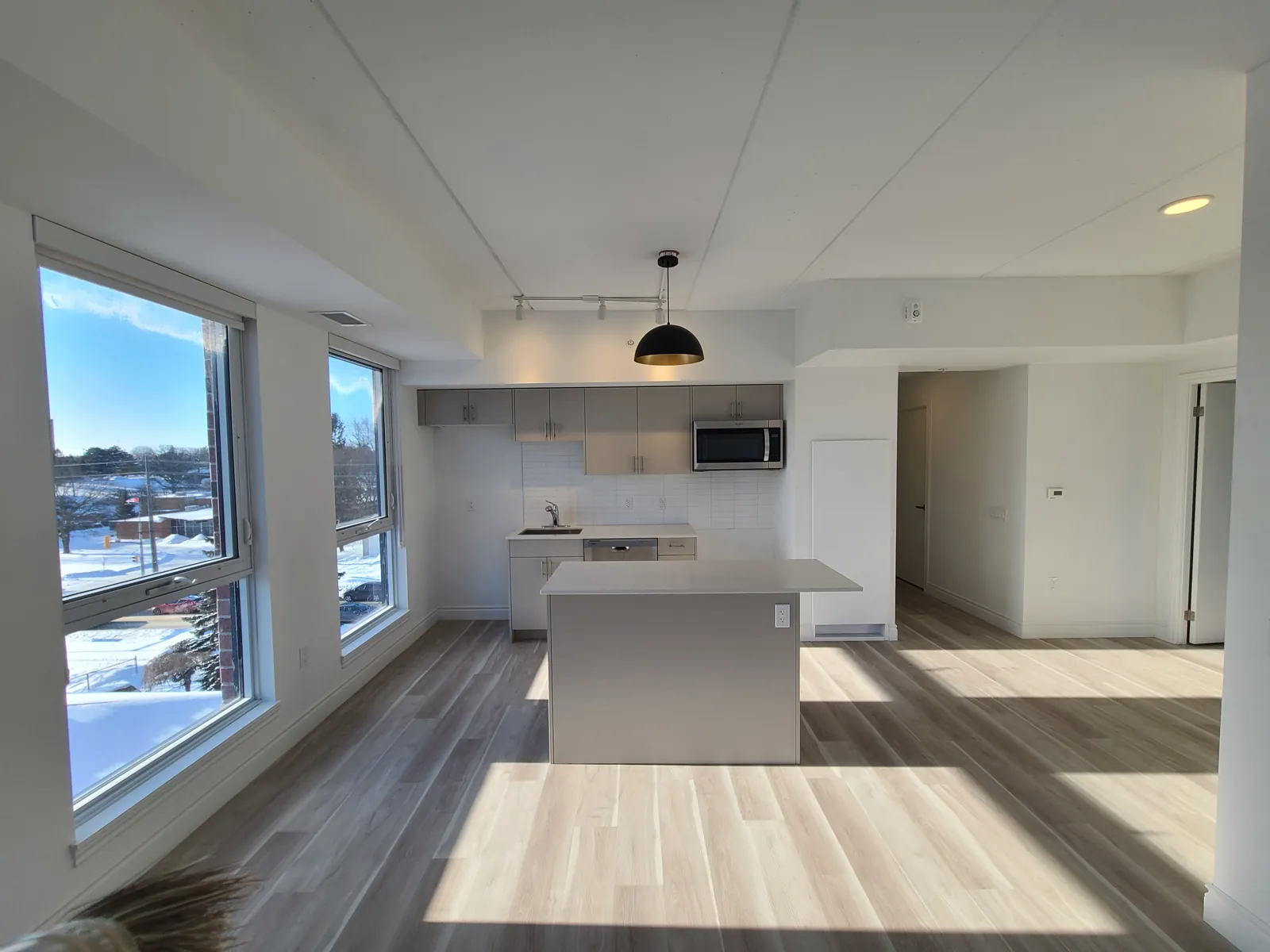
Can your cabinets be painted?
Good candidates
- Solid wood (maple, birch, cherry, pine) in sound condition
- MDF doors and panels, which give the smoothest painted result
- Oak, with the grain either filled for a smooth look or left to show
- Previously painted cabinets where the old paint is still well bonded
Think twice
- Thermofoil or vinyl-wrapped doors: the wrap can peel, bubble or lift near the oven and dishwasher
- Laminate: possible with a bonding primer, but less durable than painted wood
- Swollen, delaminating or water-damaged boxes, often under the sink
- Cabinets you want to change in layout: paint changes the finish, not the kitchen
Look at the back edge of a door. A paper-thin plastic skin that wraps around the edge means thermofoil. A visible wood grain, or a uniform fibre edge (MDF), means it will take paint well.
What a lasting cabinet finish takes
Empty, remove and label
Doors, drawer fronts and hardware come off and are labelled by position, so every door goes back where it came from with its own hinges.
Protect the kitchen
Counters, backsplash, floors, appliances and the inside of the boxes are covered or masked. Spraying needs everything that is not being painted fully sealed off. See how painters protect your home.
Degrease
Years of cooking grease and hand oil are the main reason cabinet paint fails. Every surface is cleaned with a degreaser and rinsed before any sanding, or the sanding just spreads the grease around.
Repair and sand
Dents and chips are filled, old hardware holes filled if the hardware is changing, and everything scuff-sanded so the primer can grip.
Bonding and stain-blocking primer
A primer made to stick to slick factory finishes. On oak, knotty pine and cherry, a stain-blocking primer stops tannins bleeding through as yellow or brown marks in a light colour.
Two coats of cabinet enamel
A hard, self-levelling enamel made for cabinets and trim, not wall paint. Spraying gives the smoothest factory-like finish; a fine brush and roller can work for small jobs. Each coat gets its full recoat time.
Reinstall and adjust
Doors are rehung and aligned, hardware goes back on, and bumpers are added so doors do not stick to the boxes while the paint hardens.
What sets the cost
- Number of doors, drawers and panels, plus end panels, crown and light rail.
- Condition: grease, water damage, chips and failing old paint all add prep.
- Oak grain filling, if you want a smooth, grain-free look.
- Colour: going dark to light, or two-tone uppers and lowers, adds coats and masking.
- Inside the boxes, if you want those painted too.
- Hardware changes, which mean filling old holes and drilling new ones.
We do not price cabinets from photos. Door count is easy to see in a picture; grease, damage and the existing finish are not. The same applies to every interior job; see what sets the price of interior painting.
Painting, refacing or replacing?
Paint
When the boxes are sound, the layout works and you want a new colour. The least disruptive and least expensive option.
Reface
When the boxes are sound but you want a different door style. New doors and fronts are made and fitted, and the boxes are covered to match.
Replace
When the boxes are damaged, the layout does not work, or the counters and appliances are changing anyway.
Living with newly painted cabinets
- Gentle for the first few weeks: the enamel is dry to the touch in hours but keeps hardening for weeks. Avoid scrubbing, and do not slam doors.
- Clean with mild soap and water, not abrasive pads or strong degreasers.
- Keep the leftover paint, labelled, for small touch-ups later.
Where FAIME fits
Cabinet painting and refinishing of existing cabinets is part of FAIME's self-performed painting work, alongside walls, ceilings, trim and doors, for homes and condos across Toronto, North York, Etobicoke, Vaughan, Woodbridge, Richmond Hill, Markham, Mississauga, Brampton and the wider GTA. FAIME does not build, supply or install cabinets. On a site visit we check what your cabinets are made of and their condition, and tell you honestly if painting is not the right answer for them.
- $2M general liability · Active WSIB (Class G5) · 2-year workmanship warranty
- Sherwin-Williams, Benjamin Moore and Dulux coatings
Frequently Asked Questions
Can kitchen cabinets be painted?
Most solid wood and MDF cabinets can be painted to a durable finish if they are degreased, sanded, primed with a bonding primer and finished with a hard cabinet enamel. Laminate can be painted with the right primer but wears less well. Thermofoil, plastic-wrapped doors are usually not worth painting.
How long does painted cabinet finish last?
Done properly, with degreasing, a bonding primer and a cabinet-grade enamel, a painted finish holds up to daily kitchen use for years. Most early failures come from grease left on the surface, skipped primer or wall paint used instead of enamel.
Can oak cabinets be painted?
Yes. Oak needs a stain-blocking primer to stop tannins bleeding through, and its open grain shows through paint unless it is filled first. Filling the grain gives a smooth, modern look; leaving it gives a textured painted-wood look.
Should cabinets be sprayed or brushed?
Spraying gives the smoothest, most factory-like finish and is usual for doors and drawer fronts. Careful brush and roller work with a self-levelling enamel can also give a good result, especially on smaller jobs.
How long before I can use painted cabinets?
Doors are usually rehung within days, once the coats are dry enough to handle. The enamel keeps hardening for several weeks, so treat doors gently, avoid scrubbing and use bumpers so they do not stick.
Does FAIME paint kitchen cabinets in the GTA?
Yes. FAIME paints and refinishes existing cabinets as part of its self-performed interior painting across Toronto, Vaughan, Woodbridge and the wider GTA. FAIME does not build or install cabinets. FAIME carries $2M general liability, is WSIB Active under Class G5 and gives a 2-year workmanship warranty. Site visits are free.
Want this looked at properly?
We come out, look at the actual condition, and put the scope in writing. No pricing is given before a site visit — and we will tell you if the work does not need doing.
$2M general liability · Active WSIB (Class G5) · 2-year workmanship warranty